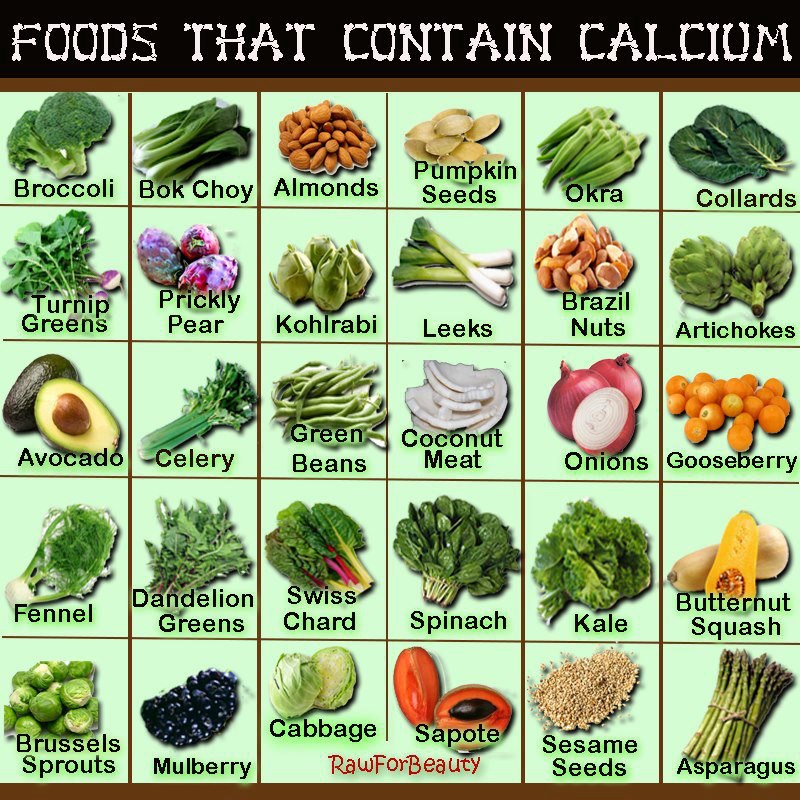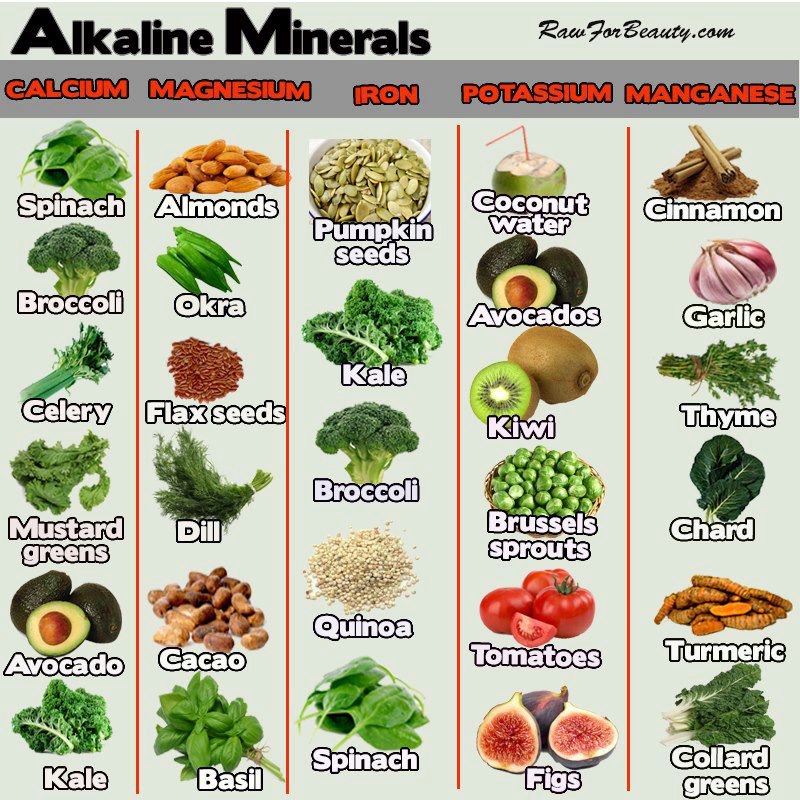
Photo: RawForBeauty.com
I heard pH
this and pH that for a long time before I REALLY understood how
important the pH is. I learned through caring for my plants. It took much longer for me to realize how and why pH is so vital for whole body
health. The human body was Created perfectly. One made of dust.
(dust=dirt=minerals) We are so grateful that someone shared this
information with us. We want to "Pay it Forward". ~ Vickie Barker - AnnyBelle Foundation
pH-inding the Right Balance
At the first mention of acidity and alkalinity, eyes glaze over. After all, these terms sound somewhat scientific, and vague memories of junior high science class and litmus paper changing color may come to mind. However, the
balance between acidity and alkalinity, and its importance, can be explained quite simply and should be explained. This balance is essential to good health.
The Basics
Every
solution is either acidic or alkaline. (Alkaline is often called "base.") These solutions can be anything from body fluids, such as stomach acid and blood, to beverages, such as wine or coffee, to sea water. Acidity and alkalinity are measured in pH (potential of hydrogen). The pH scale goes from 0 to 14, with 0 the most acidic, and 14 the most alkaline. The pH of stomach acid is 1, wine is 3.5, water is 7 (neutral), venous blood is 7.35, arterial blood is 7.4, sea water is 8.5, and baking soda is 12. Ideally, our pH should stay on the alkaline side: between 7.35 and 7.45.
Keeping our acidity and alkalinity balanced means regulating the hydrogen ion
concentration in our body fluids. An acid is a molecule or ion (an ion is an atom that carries a positive or negative electric charge) that can contribute a hydrogen ion to a solution. An alkalizing substance is one that contains a molecule or ion that combines with hydrogen ions to remove them from a solution_it neutralizes acids and acts as a buffer.
The Misconceptions
Foods are classified as acid-forming or alkalizing depending on the effect they have on the body. An acid-forming food contributes hydrogen ions to the body, making it more acidic. An alkalizing food removes hydrogen ions from the body, making it more alkaline. It is important to note that this classification is based on the effect foods have on the body after digestion, not on their own intrinsic acidity or alkalinity (or how they taste to us). A common misconception is that if a food tastes acidic, it has an acid-forming effect on the body. This is not necessarily true. Very often, an acidic-tasting food is alkalizing. Citric
fruits are a good example. People say that lemons, for example, are "too acidic"; however, they are actually alkalizing because the minerals they leave behind after digestion help remove hydrogen ions, decreasing the acidity of the body. (Many people use the term "residue" or "ash" to explain the effect of a food on the body. A food with an acid ash after digestion contributes hydrogen ions, making the body more acidic; a food with an alkaline ash after digestion removes hydrogen ions, making the body more alkaline.)
Another misconception is that acid-forming foods are "bad." This is not correct; acidity
and alkalinity are opposites and one is not intrinsically better than the other. This misconception has developed because the North American diet is excessively acidic, which does result in health problems.
Common acid-forming foods include processed junk foods and those that are high in
animal protein. Some common alkalizing foods are spinach, soybeans, raisins, carrots, and most citrus fruits.
The Problem
Looking at this short list of acid-forming and alkalizing foods, you can see where the problem lies. North Americans eat considerably more acid-forming foods than alkalizing foods. Unfortunately, too much acid can cause health problems. According to well-known naturopath Paavo Airola in his book "How to Get Well", Acidosis, or over-acidity in the body tissues, is one of the basic causes of diseases, especially the arthritic and rheumatic diseases."
Others concur with Airola. Speaking of the acidity of a high-fat, high-sugar diet, Michael Colgan, in The New Nutrition, says, "Acidosis destroys bones, because the body has to steal alkalizing minerals from them, to keep the blood pH from dropping into the acid range _ " Dr. Mary Ruth Swope, in Green Leaves of Barley, comments, "We have become too full of acid and, as a result, are experiencing a wide range of diseases that flourish in the acid medium." Dr. Yoshihide Hagiwara, in Green Barley Essence, mentions that, "Should this balance [acid and alkaline] be upset, the cell metabolism suffers, leading to conditions such as fatigue."
Common symptoms of an unbalanced pH include heartburn (a burning sensation in the
stomach and acid-tasting burps), bloating, belching, and feeling full after eating small amounts of food. Other symptoms could include insomnia, water retention, migraines, constipation with diarrhea, fatigue, a burning sensation on the tongue and in the mouth, and halitosis.
The Solution
Eat a diet that helps your body maintain the correct acidity-alkalinity balance. According to Airola, the ideal diet should have a natural ratio of four parts alkaline to one part acid. Others contend that while this a good ratio for active people (exercise creates a lot of acid), less active people can handle a diet with a ratio of two parts alkaline to one part acid.
Further Reading
Colbin, Annemarie. 1986.
Food and Healing. New York: Ballantine (Pp. 73-80).
Hagiwara, Yoshihide, M.D. 1985.
Green Barley Essence. New Canaan, CT: Keats
Publishing, Inc. (Pp. 50-58).
Murray, Frank.
"Unless you Balance Acidity, your muscles may become tense."
Better Nutrition, March 1996.
Swope, Mary Ruth. 1990.
Green Leaves of Barley Phoenix, AZ: Swope
Enterprises, Inc. (Pp. 99-109).
The article "pHinding the Right Balance" is reproduced with the permission of AIM International.
©1997 by AIM International
http://www.aim4health.com/phind.htm
Source:
AdvancedHealthPlan.com