Showing posts with label healing. Show all posts

Tuesday, June 30, 2015

Sadness Causing Your Symptoms?

emotionalpain

Is Your Sadness Causing Your Symptoms?

The phenomenon of emotional health being inextricably linked to physical health has been negated by modern medicine repeatedly, with only small allowances made in integrative medicine, and extremely few studies which support this idea making their way into mainstream publications.
Nonetheless, the Pharmageddon trend plagues this country. We’re quick to admit that we are depressed, too. The makers of depression drugs are raking it in, enjoying over $14 billion in annual sales, with antipsychotics remaining the top-selling therapeutic class of prescription drugs in the US. But the sick-care industry doesn’t really look into how our emotions cause sickness in the body.
I’m not talking about the idea that stress can cause disease, either. Modern health practitioners have largely accepted this general fact, with stress having a noticeable affect on heart disease and obesity rates. More specifically, what if that argument you keep having with your husband or wife is causing your knee joints to lock up, or your constant worry over finances is causing your stomach upset or your spleen to become depleted of energy, thereby limiting your body’s immune response? What if your constantly aching shoulders are the body’s response to years of taking on more than you should – literally bearing others’ burden, or the constant itching sensation you’ve endured on your skin is because you’ve literally let someone or something ‘get under it.’

The Emotional/Astral/Mental/Physical Connection

These notions are increasingly no longer just mystical theories from ancient healers.
“The nineteen elements of the astral body are mental, emotional, and lifetronic. The nineteen components are intelligence; ego; feeling; mind (sense-consciousness); five instruments of knowledge, the subtle counterparts of the senses of sight, hearing, smell, taste, touch; five instruments of action, the mental correspondence for the executive abilities to procreate, excrete, talk, walk, and exercise manual skill; and five instruments of life force, those empowered to perform the crystallizing, assimilating, eliminating, metabolizing, and circulating functions of the body. This subtle astral encasement of nineteen elements survives the death of the physical body, which is made of sixteen gross chemical elements.” ~ Bhagavad Gita

New Scientific Proof

In modern science, they are just beginning to understand what ancient mystics and healers had detailed wisdom of. A new study published in Psychology Today examines how emotional trauma can be equally responsible for chronic pain as physical injury.
Dr. Susanne Babbel states:
“Chronic pain is defined as prolonged physical pain that lasts for longer than the natural healing process should allow. This pain might stem from injuries, inflammation, or neuralgias and neuropathies (disorders of the nerves), but some people suffer in the absence of any of these conditions. Chronic pain can debilitate one’s ability to move with ease, may hinder their normal functioning, and the search for relief can lead to pain medication addictions, which compound the problem. Chronic pain is also often accompanied by feelings of hopelessness, depression, and anxiety.”

Epigenetics and Environment

Furthermore, modern medicine also fails to consider the latest discoveries of epigenetics. Often ignored is the fact that our environment (which largely shapes emotions) affects our DNA. Even with billions spent on the Human Genome Project to outline every single possible gene-controlled disease, materialist-reductionist-determinist philosophy still was no closer to understanding how perfectly good genes could turn into cancerous ones, and someone with a predisposition for cancer from several generations could overcome it simply by changing their emotional outlook.
With this new wisdom we now understand that each and every cell is like its own self-powered microprocessor. They take in signals from our subtle experience – our awe of a flower blooming, or the perfect sunset, as equally as our shame over failing a test or saying something unkind to a loved one in a flashing moment of anger.
As Bruce Lipton would explain, a cell’s receptors take in, not only the elements of the physical environment (light, gravity, temperature, salts, minerals, etc.), food (nutrients, other organisms), and life-threatening agents (toxins, parasites, predators, etc.) but also joy, fear, anger, sadness, hilarity, love, hate, etc.

The Colors of Love and Healing

In ancient yogic systems, the chakras are associated with not just emotions, but color, as certain vibratory rates reflect the emotions, which correlate to a specific place in the physical/astral body.
Root Chakra or Mooladhara – Red, the color of survival.
Second or Sacral Chakra, Swadhistana – Orange, or the cooling of red, i.e. the base ego.
Third or Solar Plexus Chakra Manipura – This is the yellow color of establishing our personal will. This is where intellect develops.
Fourth or Anahata, The Heart Chakra – The Great Equalizing force of Mother Nature. Love. This is the first chakra which represents higher development in a human (or sentient) being aside from eating, sleeping, working, and procreating.
Fifth or the Throat Chakra, Vishuddha – The color blue is expressed, or the ability to communicate our heart’s desires.
Sixth or third Eye Chakra, Anja – The indigo color of this chakra represents the Vibrational awareness that would connect us to higher levels of consciousness, otherwise known as the spiritual world.
Seventh or Crown Chakra, Sahasrara Chakra – The color Violet is indicated, as it vibrates on an entire different frequency than red. If someone’s emotions have risen to this level, they most frequently experience cosmic consciousness, and complete healing.
We can also understood the emotions as vibrations through the visible spectrum of light:
The Visible Light Spectrum
Color Wavelenght nm Frequency THz
Red 625 – 740 400 – 484
Orange 590 – 625 484 – 508
Yellow 565 – 590 508 – 526
Green 520 – 565 526 – 606
Blue 500 – 520 606 – 670
Indigo 435 – 500 670 – 700
Violet 380 – 435 700 – 789

These scientific findings also would logically explain why green spaces heal us, or we ‘see red’ and revert to our most protected, contracted, egoic self.
In the case of being surrounded in green – aside from providing a more oxygen rich environment, sitting in a park or taking a stroll among trees and flowers after a stressful day has been proven to lower blood pressure and heart rates, as well as reduce levels of cortisol. A Dutch study surveyed over 4,500 people enduring stressful life events, including the death of a loved one, serious illness, or financial hardship, and the ones who lived within 3 kilometers of green space reported higher levels of well-being and fewer health complaints in the face of their struggles than those who lived elsewhere.
Referring back to Dr. Babbel’s findings, “Often, physical pain functions to warn a person that there is still emotional work to be done, and it can also be a sign of unresolved trauma in the nervous system.”
Bingo – this is what (Ancient Chinese Medicine) ACM, and Yoga have been trying to tell us for centuries.
Here are how different pains in the body correlate to different emotions according to the study, but also corresponding to more ancient wisdom:
Pain in the Head is a sign that you are overly stressed with day-to-day occurrences. You are likely an intellectual and ‘think’ too much. Have more fun and let go of the day’s responsibilities. Your head will hurt less.
Pain in the Neck indicates that you may need to work on forgiving someone – and that person might even be you. You are likely holding unconscious stress concerning a job, your home-life responsibilities, or other ‘burdens’ that you have subconsciously agreed to bare.
Pain in the Upper Back – You are likely feeling a lack of emotional support.
Pain in Your Elbows – This kind of joint pain may mean that you are often uncompromising, and need to learn to ‘give a little’ and learn to go with the flow instead of being so rock-solid in your approach.
Pain in Your Hands – You likely need to reach out to others more, in order to fulfill your emotional needs in a healthy manner. If your ‘hands are tied’ that may also mean that you have dabbled in other people’s emotional disturbances too often and you need to allow their pain without saving them. Try being empathetic without ‘handling’ everything.
Pain in Your Hips could be a cautionary message from your body that you need to move on an important decision, and stop stalling.
Pain in Your Knees can indicate an over-inflated ego. While the ego serves the good purpose of helping us discriminate between ourselves and others when we are children, it is often in need of dissolution as we grow older.
Pain in the Ankles may indicate that you are too frugal and need to live it up a bit more. Allow yourself some pleasure, and stop running so fast from love.
Pain in the Feet may indicate that you need grounding. It also means you need more joy in your life. Try something new. Consider meeting new people, or letting your ‘feet do the walking’ instead of your fingers. Go to a concert, or an outdoor park, and take a break from your computer. The world is waiting for you.
Photo courtesy of upnaway.com

Credit and Kudos to Collective Evolution.  Always great researched articles of interest and use. Joining Collective Evolution newsletters is highly recommended.  
Full Story Source:  http://www.collective-evolution.com/2015/06/30/new-proof-that-our-emotions-cause-physical-pain-how-to-change-them/

Tuesday, May 21, 2013

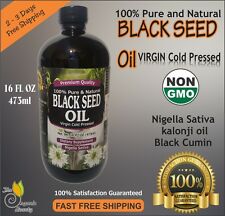
BLACK SEED- Nigella Sativa

This humble, but immensely powerful seed, kills MRSA, heals the chemical weapon poisoned body, stimulates regeneration of the dying beta cells within the diabetic's pancreas, and yet too few even know it exists.

Black Seed - 'The Remedy For Everything But Death'

The seeds of the annual flowering plant, Nigella Sativa, have been prized for their healing properties since time immemorial.  While frequently referred to among English-speaking cultures as Roman coriander, black sesame, black cumin, black caraway and onion seed, it is known today primarily as black seed, which is at the very least an accurate description of its physical appearance.  

The earliest record of its cultivation and use come from ancient Egypt. Black seed oil, in fact, was found in Egyptian pharoah Tutankhamun's tomb, dating back to approximately 3,300 years ago.[i]  In Arabic cultures, black cumin is known as Habbatul barakah, meaning the "seed of blessing." It is also believed that the Islamic prophet Mohammed said of it that it is "a remedy for all diseases except death."

Many of black cumin's traditionally ascribed health benefits have been thoroughly confirmed in the biomedical literature. In fact, since 1964, there have been 458 published, peer-reviewed studies referencing it.

We have indexed salient research, available to view on GreenMedInfo.com on our Black Seed (Nigella Sativa) page, on well over 40 health conditions that may be benefited from the use of the herb, including over 20 distinct pharmacological actions it expresses, such as:
  • Analgesic (Pain-Killing)
  • Anti-Bacterial
  • Anti-Inflammatory
  • Anti-Ulcer
  • Anti-Cholinergic
  • Anti-Fungal
  • Ant-Hypertensive
  • Antioxidant
  • Antispasmodic
  • Antiviral
  • Bronchodilator
  • Gluconeogenesis Inhibitor (Anti-Diabetic)
  • Hepatoprotective (Liver Protecting)
  • Hypotensive
  • Insulin Sensitizing
  • Interferon Inducer
  • Leukotriene Antagonist
  • Renoprotective (Kidney Protecting)
  • Tumor Necrosis Factor Alpha Inhibitor
These 22 pharmacological actions are only a subset of a far wider number of beneficial properties intrinsic to the black seed. While it is remarkable that this seed has the ability to positively modulate so many different biological pathways, this is actually a rather common occurrence among traditional plant medicines.

Our project has identified over 1600 natural compounds with a wide range of health benefits, and we are only in our first 5 years of casual indexing. There are tens of thousands of other substances that have already been researched, with hundreds of thousands of studies supporting their medicinal value (MEDLINE, whence our study abstracts come, has over 600,000 studies classified as related to Complementary and Alternative Medicine).

Take turmeric, for example. We have identified research indicating its value in over 600 health conditions, while also expressing over 160 different potentially beneficial pharmacological actions. You can view the quick summary of over 1500 studies we have summarized on our Turmeric Research page, which includes an explorative video on turmeric. Professional database members are further empowered to manipulate the results according to their search criteria, i.e. pull up and print to PDF the 61 studies on turmeric and breast cancer.  This, of course, should help folks realize how voluminous the supportive literature indicating the medicinal value of natural substances, such as turmeric and black seed, really is.

Black seed has been researched for very specific health conditions. Some of the most compelling applications include:
  • Type 2 Diabetes: Two grams of black seed a day resulted in reduced fasting glucose, decreased insulin resistance, increased beta-cell function, and reduced glycosylated hemoglobin (HbA1c) in human subjects.[ii]
  •  
  • Helicobacter Pylori Infection: Black seeds possess clinically useful anti-H. pylori activity, comparable to triple eradication therapy.[iii]
  •  
  • Epilepsy: Black seeds were traditionally known to have anticonvulsive properties. A 2007 study with epileptic children, whose condition was refractory to conventional drug treatment, found that a water extract significantly reduced seizure activity.[iv]
  •  
  • High Blood pressure: The daily use of 100 and 200 mg of black seed extract, twice daily, for 2 months, was found to have a blood pressure-lowering effect in patients with mild hypertension.[v]
  •  
  • Asthma: Thymoquinone, one of the main active constituents within Nigella sativa (black cumin), is superior to the drug fluticasone in an animal model of asthma.[vi] Another study, this time in human subjects, found that boiled water extracts of black seed have relatively potent antiasthmatic effect on asthmatic airways.[vii]
  •  
  • Acute tonsillopharyngitis: characterized by tonsil or pharyngeal inflammation (i.e. sore throat), mostly viral in origin, black seed capsules (in combination with Phyllanthus niruri) have been found to significantly alleviate throat pain, and reduce the need for pain-killers, in human subjects.[viii]
  •  
  • Chemical Weapons Injury: A randomized, placebo-controlled human study of chemical weapons injured patients found that boiled water extracts of black seed reduced respiratory symptoms, chest wheezing, and pulmonary function test values, as well as reduced the need for drug treatment.[ix]
  •  
  • Colon Cancer: Cell studies have found that black seed extract compares favorably to the chemoagent 5-fluoruracil in the suppression of colon cancer growth, but with a far higher safety profile.[x] Animal research has found that black seed oil has significant inhibitory effects against colon cancer in rats, without observable side effects.[xi]
  •  
  • MRSA: Black seed has anti-bacterial activity against clinical isolates of methicillin resistant Staphylococcus aureus.[xii]
  •  
  • Opiate Addiction/Withdrawal: A study on 35 opiate addicts found black seed as an effective therapy in long-term treatment of opioid dependence.[xiii]
Sometimes the biblical reference to 'faith the size of a mustard seed moving mountains' comes to mind in connection with natural substances like black seeds. After all, do seeds not contain within them the very hope for continuance of the entire species that bore it?  This super-saturated state of the seed, where life condenses itself down into an intensely miniaturized holographic fragment of itself, promising the formation of future worlds within itself, is the very emblem of life's immense and immortal power.

If we understand the true nature of the seed, how much life (past, present and future) is contained within it, it will not seem so far-fetched that it is capable of conquering antibiotic resistant bacteria, healing the body from chemical weapons poisoning, or stimulate the regeneration of dying insulin-producing beta cells in the diabetic, to name but only a fraction of black seed's experimentally-confirmed powers.

Moving the mountain of inertia and falsity associated with the conventional concept of disease, is a task well-suited for seeds and not chemicals. The greatest difference, of course, between a seed and a patented synthetic chemical (i.e. pharmaceutical drug), is that Nature (God) made the former, and men with profit-motives and a deranged understanding of the nature of the body made the latter. 

The time, no doubt, has come for food, seeds, herbs, plants, sunlight, air, clean water, and yes, love, to assume once again their central place in medicine, which is to say, the art and science of facilitating self-healing within the human body. Failing this, the conventional medical system will crumble under the growing weight of its own corruption, ineptitude, and iatrogenic suffering (and subsequent financial liability) it causes. To the degree that it reforms itself, utilizing non-patented and non-patentable natural compounds with actual healing properties, a brighter future awaits on the horizon. To the degree that it fails, folks will learn to take back control over their health themselves, which is why black seed, and other food-medicines, hold the key to self-empowerment.


[i] Domestication of plants in the Old World (3 ed.). Oxford University Press. 2000. p. 206. ISBN 0-19-850356-3.
[ii] Abdullah O Bamosa, Huda Kaatabi, Fatma M Lebdaa, Abdul-Muhssen Al Elq, Ali Al-Sultanb. Effect of Nigella sativa seeds on the glycemic control of patients with type 2 diabetes mellitus. Indian J Physiol Pharmacol. 2010 Oct-Dec;54(4):344-54. PMID: 21675032
[iii] Eyad M Salem, Talay Yar, Abdullah O Bamosa, Abdulaziz Al-Quorain, Mohamed I Yasawy, Raed M Alsulaiman, Muhammad A Randhawa. Comparative study of Nigella Sativa and triple therapy in eradication of Helicobacter Pylori in patients with non-ulcer dyspepsia. Saudi J Gastroenterol. 2010 Jul-Sep;16(3):207-14. PMID: 20616418
[iv] Javad Akhondian, Ali Parsa, Hassan Rakhshande. The effect of Nigella sativa L. (black cumin seed) on intractable pediatric seizures. Med Sci Monit. 2007 Dec;13(12):CR555-9. PMID: 18049435
[v] Farshad Roghani Dehkordi, Amir Farhad Kamkhah. Antihypertensive effect of Nigella sativa seed extract in patients with mild hypertension. Braz J Med Biol Res. 2006 Apr;39(4):421-9. Epub 2006 Apr 3. PMID: 18705755
[vi] Rana Keyhanmanesh, Mohammad Hossein Boskabady, Mohammad Javad Eslamizadeh, Saeed Khamneh, Mohammad Ali Ebrahimi. The effect of thymoquinone, the main constituent of Nigella sativa on tracheal responsiveness and white blood cell count in lung lavage of sensitized guinea pigs. J Ethnopharmacol. 2009 Oct 29;126(1):102-7. Epub 2009 Aug 8. PMID: 19711253
[vii] M H Boskabady, N Mohsenpoor, L Takaloo . Antiasthmatic effect of Nigella sativa in airways of asthmatic patients. Phytomedicine. 2010 Feb 8. Epub 2010 Feb 8. PMID: 20149611
[viii] M Dirjomuljono, I Kristyono, R R Tjandrawinata, D Nofiarny. Symptomatic treatment of acute tonsillo-pharyngitis patients with a combination of Nigella sativa and Phyllanthus niruri extract. Int J Clin Pharmacol Ther. 2008 Jun;46(6):295-306. PMID: 18541126
[x] Elsayed I Salim, Shoji Fukushima. Chemopreventive potential of volatile oil from black cumin (Nigella sativa L.) seeds against rat colon carcinogenesis. Nutr Cancer. 2003;45(2):195-202. PMID: 12881014
[xi] Elsayed I Salim, Shoji Fukushima . Chemopreventive potential of volatile oil from black cumin (Nigella sativa L.) seeds against rat colon carcinogenesis. Nutr Cancer. 2003;45(2):195-202. PMID: 12881014
[xii] Abdul Hannan, Sidrah Saleem, Saadia Chaudhary, Muhammad Barkaat, Muhammad Usman Arshad. Anti bacterial activity of Nigella sativa against clinical isolates of methicillin resistant Staphylococcus aureus. J Ayub Med Coll Abbottabad. 2008 Jul-Sep;20(3):72-4. PMID: 19610522
[xiii] Sibghatullah Sangi, Shahida P Ahmed, Muhammad Aslam Channa, Muhammad Ashfaq, Shah Murad Mastoi . A new and novel treatment of opioid dependence: Nigella sativa 500 mg. J Ayub Med Coll Abbottabad. 2008 Apr-Jun;20(2):118-24. PMID: 19385474

Source: Written By:Sayer Ji, Founder     GreenMedInfo.com


Be sure to look for
100% Pure Black Seed Oil
Cold Pressed Cumin Nigella Sativa

non GMO

Wednesday, December 12, 2012

Monday, November 26, 2012

MIGRAINES

Those who suffer from migraine headaches are more than familiar with the debilitating pain that ensues when one strikes. While there are numerous OTC and prescription drugs available to combat the pain, some people would rather choose a more natural approach. 

Natural remedies for migraines aren’t accompanied by the same side effects that drugs have, and are often used for prevention rather than treatment. A healthy diet, herbal therapy and whole food supplements are natural options available to migraine sufferers; here are some tips for preventing and treating migraines naturally.

1. Natural Remedies for Migraines - Avoid Processed Foods

Many processed foods contain artificial sweeteners and preservatives that are known to trigger migraine headaches in some people. A common preservative, monosodium glutamate (MSG),is just one of many preservatives that have been found to cause severe reactions including migraine headaches.

In 2002, the FDA reported 92 cases of aspartame toxicity. The artificial sweetener was taken off the market due to reported side effects, but eventually allowed to be sold again even after the reported incidence. Other artificial sweeteners such as Splenda  have also been reported to have caused adverse side effects, including headaches. Sucralose, the chemical name for Splenda, is actually responsible for a variety of ailments, giving a clear answer to the question: Is Splenda safe?

Limiting processed and fast foods as much as possible and using natural sweeteners such as honey and stevia may reduce the chance of having a reaction and a painful migraine headache.

2. Avoid Certain Foods

Some people experience migraine headaches after they consume certain foods. Among these foods are caffeinated drinks, alcohol, chocolate, peanuts, grains with gluten and dairy products. Switching to a very simple plant-based diet and introducing the suspected foods one at a time helps to sort out which foods are causing the headaches.

3. Lavender Therapy

Lavender has long been used by herbalists to treat a wide variety of conditions including insomnia, post surgery pain, anxiety, fungal infections and headaches. Migraine sufferers experience increased inflammation in blood vessels and spasms in the neck and eye muscles. Lavender acts as an analgesic and reduces inflammation in those that suffer from migraines. Lavender treatments can be administered in any number of ways including inhalation therapy, dried flower sachets, teas or hot packs.

4. Butterbur

Butterbur is an herb used commonly for pain. Acting as a beta-blocker, this medicinal plant controls blood pressure, reducing inflammation and stabilizes blood flow to the brain. Because some butterbur treatments contain chemicals (pyrrolizidine alkaloids) which can cause damage to the liver, it is important to choose only products that are certified and carry a “PA-free” label.

5. Lemongrass – Other Herbal Remedies

Although less implemented among natural remedies for migraines, herbal remedies have great potential in treating headaches or even migraines. Scientists from Griffith University found that Australian Lemon Grass (Cymbopogon Ambiguus) has been used for an untold number of years by indigenous Australians as traditional medicine, and with good reason. They say the effects of the plant could be as “good as aspirin when it comes to treating headaches,” only this is one of many herbal remedies for headaches without the side-effects associated with OTC medication.

6. Tryptophan Therapy

Tryptophan is an amino acid that simulates the brain to produce dopamine which releases serotonin. Serotonin elevates moods, relaxes the small muscles around the capillaries in the scalp, and reduces tension and anxiety. Consuming a high quality tryptophan supplement is the best way to get more off this helpful amino acid.

7. Herbal Pain Relief Tea

There are other herbs that are beneficial in the treatment of migraines including, peppermint, cayenne pepper and ginger. Ginger is especially useful to combat the nausea that often accompanies migraine headaches. To use the 3 herbs together in tea as a natural pain reliever, mix a one inch piece of ginger with a teaspoon of dried peppermint and a pinch of cayenne in boiling water. Allow the mixture to seep for 15 minutes before drinking. Sweeten only with  honey or stevia.

Source: http://naturalsociety.com/7-natural-remedies-for-migraines/#ixzz2DMPUTTPY


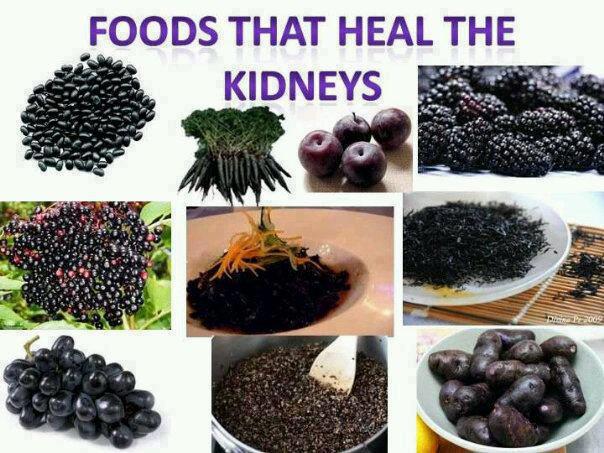
KIDNEY FOODS


Did You Know: Foods that heal the kidneys are purple plums, purple potatoes, black quinoa, blackberries, black carrots (purple carrots), hijiki(potent seaweed), black seaweed salad, black grapes, black beans, and black elderberries. 

Black fruit and veggies are high in antioxidant phytonutrients called anthocyanidins, which give them their blue color, and they are bursting with natural compounds that reduce inflammation. And don't forget beets. 

Saturday, November 24, 2012

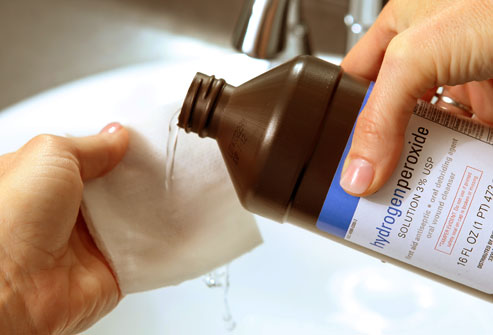
HYDROGEN PEROXIDE USES

28 Amazing Benefits and Uses for Hydrogen Peroxide


by Andrea Harper - docakilah.wordpress.com

Hydrogen peroxide is the only germicidal agent composed only of water and oxygen. Like ozone, it kills disease organisms by oxidation! Hydrogen peroxide is considered the worlds safest all natural effective sanitizer. It kills microorganisms by oxidizing them, which can be best described as a controlled burning process. When Hydrogen peroxide reacts with organic material it breaks down into oxygen and water.

1. Whiten Clothes – An Alternative to Beach
Add a cup of Peroxide to white clothes in your laundry to whiten them. Peroxide is great to get rid of blood stains on clothes and carpets. If there is blood on clothing, just pour directly on the spot, let it sit for about a minute, then rub and rinse with cold water. Repeat if necessary.

2. Health
Your body makes Hydrogen peroxide to fight infection which must be present for our immune system to function correctly. White blood cells are known as Leukocytes. A sub-class of Leukocytes called Neutrophils produce hydrogen peroxide as the first line of defense against toxins, parasites, bacteria, viruses and yeast.

3. Rejuvenating Detoxifying Bath
Use about 2 quarts 3% Hydrogen peroxide to a tub of warm water. Soak at least 1/2 hour, adding hot water as needed to maintain a comfortable water temperature.

4. Foot Fungus
To cure a foot fungus, simply spray a 50/50 mixture of Hydrogen peroxide and water on them (especially the toes) every night and let dry.

5. Douche
Add 2 capfuls of 3% Hydrogen peroxide in warm distilled water once to twice a week to remove even chronic yeast infections.

6. Colonic or Enema
For a colonic, add 1 cup (8 ozs.) 3% H202 to 5 gallons warm water. (Do not exceed this amount) For an enema, add 1 tablespoon of 3% H202 to a quart of warm distilled water.

7. Infections
Soak any infections or cuts in 3% for five to ten minutes several times a day. Even gangrene that would not heal with any medicine has been healed by soaking in Hydrogen peroxide. Put half a bottle of hydrogen peroxide in your bath to help rid boils, fungus or other skin infections.

8. Bird Mites Infections
Patients infected by tiny mites report that hydrogen peroxide effectively kills the mites on their skins. They spray it on their skin a couple of times (with a few minutes in between the applications) with amazing results.

9. Sinus Infections
A tablespoon of 3% Hydrogen peroxide added to 1 cup of non-chlorinated water can be used as a nasal spray. Depending on the degree of sinus involvement, one will have to adjust the amount of peroxide used.

10. Wound Care
3% H2O2 is used medically for cleaning wounds, removing dead tissue, and as an oral debriding agent. Peroxide stops slow (small vessel) wound bleeding/oozing, as well.

Some sources recommend soaking infections or cuts for five to ten minutes several times a day. However, washing and rinsing action is sufficient. You shouldn’t leave the solution on open tissue for extended periods of time as, like many oxidative antiseptics, Hydrogen peroxide causes mild damage to tissue in open wounds. Therefore it is important to use with caution.

Personal Care

Mouthwash / Tooth Care
Healing Properties: Take one capful (the little white cap that comes with the bottle) and hold in your mouth for 10 minutes daily, then spit it out. You will not have canker sores and your teeth will be whiter. If you have a terrible toothache and cannot get to a dentist right away, put a capful of 3% Hydrogen peroxide into your mouth and hold it for 10 minutes several times a day. The pain will lessen greatly.

11. Mouthwash
Many people don’t realize that hydrogen peroxide makes a very effective and inexpensive mouthwash. Use 3% H202 – add a dash of liquid chlorophyll for flavoring if desired.

12. Toothpaste
Use baking soda and add enough 3% H202 to make a paste.

13. Toothbrush
Or, just dip your brush in 3% H202 and brush. Soak your toothbrush in Hydrogen peroxide to keep them free of germs.

14. Tooth Ache
Hydrogen peroxide is not a pain killer; however, as an anti-viral, antibacterial and anti-fungal agent, it is effective at treating the pathogen that is causing the infection. The following is from my own personal experience: My dentist wanted to give me a root canal some time ago as one tooth was inflamed and, in her opinion, would die. I felt some discomfort but told her that I would give it chance to heal. I rinsed with hydrogen peroxide (several times a day) as well ascoconut oil (once a day). The discomfort went away and I have had no further problems with the tooth.

15. Tooth Whitening
Having used 3% Hydrogen peroxide as a mouth wash for sometime ago, I am thrilled to note that my teeth have been beautifully and effortlessly whitened. I used to pay so much for professional whitening, those silly strips and uncomfortable trays. Live and learn.
NOTE: Do not swallow any peroxide. When the peroxide rinse is done, be sure to rinse out your mouth with water.

16. Hair Lightening
Peroxide is a bleaching agent and is used for lightened hair. Dilute 3% Hydrogen peroxide with water (50 / 50) and spray the solution on your wet hair after a shower and comb it through. You will not have the peroxide burnt blonde hair like the hair dye packages, but more natural highlights if your hair is a light brown, faddish, or dirty blonde. It also lightens gradually so it’s not a drastic change.

17. Contact Lenses
Hydrogen peroxide is used as a disinfectant in CIBA Vision’s Clear Care no rub contact lens cleaning solution, due to its ability to break down the proteins that build up on the lense from the eye’s immune response, resulting in increased comfort for those with sensitive eyes.

Sanitizing / Disinfectant / Cleaning

18. Straight or Diluted Hydrogen Perioxide
Clean your counters and table tops with hydrogen peroxide to kill germs and leave a fresh smell. Simply put a little on your dishrag when you wipe, or spray it on the counters. Use hydrogen peroxide to clean glass and mirrors with no smearing.

Keep a spray bottle of 3% (straight) to disinfect the interior of the refrigerator and kids’ school lunch boxes.

19. In the Dishwasher
Add 2 oz. of 3% Hydrogen peroxide to your regular washing formula.

Fill a spray bottle with a 50/50 mixture of 3% Hydrogen peroxide and water and keep it in every bathroom to disinfect without harming your septic system like bleach or most other disinfectants will. After rinsing off your wooden cutting board, pour or spray hydrogen peroxide (and then vinegar) on it to kill salmonella and other bacteria.

I use peroxide to clean my mirrors with, there is no smearing.
Combination of vinegar and hydrogen peroxide make a cheap, effective and non-toxic disinfectant agent and is said to be more effective at killing pathogens than bleach.  As it is non-toxic, you can use it to disinfect fruits and vegetables, as well as pet toys, equipment and cages.  In tests run at Virginia Polytechnic Institute and State University, pairing Vinegar and Hydrogen Peroxide mists, kills virtually all Salmonella, Shigella, or E. coli bacteria on heavily contaminated food and surfaces.

Directions
You need TWO spray bottles. DO NOT MIX the solutions together. Put straight vinegar in one and straight Hydrogen peroxide in the other spray bottle.

NOTE: Light destroys peroxide rather quickly. It’s best to leave it in its original bottle and screw in a spray head. DO NOT DILUTE THEM.

Remember for any sanitizer to work properly, the surface has to be clean before you use it.

When you want to sanitize a surface (vegetables, cutting board, counters, sink, cages, toys. toilets, floors, etc.), spray one (it doesn’t matter which one you use first) on the surface, then you spray on the other.  When they mix, for a brief time the chemical action of the two make a very powerful sanitizer.  You can rinse off the surface afterwards, if you want, but the result is non-toxic.

Fortunately it is cheap. BTW, we use it in the bathroom to sanitize the counters, toilets, floors, etc.

20. Mold
Clean with Hydrogen peroxide when your house becomes a biohazard after its invaded by toxic mold, such as those with water damage.

21. Humidifiers/Steamers
Use 1 pint 3% Hydrogen peroxide to 1 gallon of water.

22. Laundry / Stain Removing
Stain Remover
3% Hydrogen peroxide is the best stain lifter if used fairly soon – although blood stains as old as 2 days have been successfully lifted with Hydrogen Peroxide. Although it will bleach or discolor many fabrics. If a little peroxide is poured onto the stain it will bubble up in the area of the blood, due to a reaction with catalase. After a few minutes the excess liquid can be wiped up with a cloth or paper towel and the stain will be gone.

3% H2O2 must be applied to clothing before blood stains can be accidentally “set” with heated water. Cold water and soap are then used to remove the peroxide treated blood.

23. Washing/Laundry
You can also add a cup of hydrogen peroxide instead of bleach to a load of whites in your laundry to whiten them. If there is blood on clothing, pour directly on the soiled spot. Let it sit for a minute, then rub it and rinse with cold water. Repeat if necessary.

Peroxide is a perfect alternate solution to keep those clothes white. Also, when chlorinating clothes, they tend to wear out faster – peroxide won’t do that.

Food Preparation

24. Vegetable Soak
Use as a vegetable wash or soak to kill bacteria and neutralize chemicals. Add 1/4 cup 3% H202 to a full sink of cold water. Soak light skinned (light lettuce) 20 minutes, thicker skinned (like cucumbers) 30 minutes. Drain, dry and refrigerate. Prolongs freshness.

If time is a problem, spray vegetables (and fruits) with a solution of 3%. Let stand for a few minutes, rinse and dry.

25. Meat Sanitizing
You can also use it to rinse off your meat before cooking.

26. Leftover tossed salad
Spray with a solution of 1/2 cup water and 1 Tbsp. 5%. Drain, cover and refrigerate.

27. Marinade
Place meat, fish or poultry in a casserole (avoid using aluminium pans). Cover with a dilute solution of equal parts of water and 3% H202. Place loosely covered in refrigerator for 1/2 hour. Rinse and cook.

28. Sprouting Seeds
Add 1 ounce 3% Hydrogen peroxide to 1 pint of water and soak the seeds overnight. Add the same amount of hydrogen peroxide each time you rinse the seeds.

Grades of Hydrogen Peroxide

A) 3.5% Pharmaceutical Grade: This is the grade sold at your local drugstore or supermarket. This product is not recommended for internal use. It contains an assortment of stabilizers which shouldn’t be ingested. Various stabilizers include: acetanilide, phenol, sodium stanate and tertrasodium phosphate.

B) 6% Beautician Grade: This is used in beauty shops to color hair and is not recommended for internal use.

C) 30% Reagent Grade: This is used for various scientific experimentation and also contains stabilizers. It is also not for internal use.

D) 30% to 32% Electronic Grade: This is used to clean electronic parts and not for internal use.

E) 35% Technical Grade: This is a more concentrated product than the Reagent Grade and differs slightly in that phosphorus is added to help neutralize any chlorine from the water used to dilute it.

F) 35% Food Grade: This is used in the production of foods like cheese, eggs, and whey-containing products. It is also sprayed on the foil lining of aseptic packages containing fruit juices and milk products. THIS IS THE ONLY GRADE RECOMMENDED FOR INTERNAL USE.

G) 90%: This is used as an oxygen source for rocket fuel.
Only 35% Food Grade hydrogen peroxide is recommended for internal use. At this concentration, however, hydrogen peroxide is a very strong oxidizer and if not diluted, it can be extremely dangerous or even fatal. Any concentrations over 10% can cause neurological reactions and damage to the upper gastrointestinal tract. There have been two known fatalities in children who ingested 27% and 40% concentrations of H202. Another reports tells of a 26 month old female who swallowed one mouthful of 35% H202. She immediately began vomiting, followed by fainting and respiratory arrest. Fortunately, she was under emergency room care and although she experienced erosion and bleeding of the stomach and esophagus, she survived the incident. When she was re-examined 12 days later, the areas involved had healed (J Toxicol Clin Toxicol 90;28(1):95-100).

Personal note:  As with ANY food, drug, or supplement, using the product according to instructions is key to safety.  If someone uses too much, then of course ramifications may be felt.  We’ve NEVER heard of ANY harmful side effects from the correct usage of Food Grade hydrogen peroxide.

35% Food Grade H202 must be….
1. handled carefully (direct contact will burn the skin- immediate flushing with water is recommended).
2. diluted properly before use.
3. stored safely and properly (after making a dilution the remainder should be stored tightly sealed in the freezer).
One of the most convenient methods of dispensing 35% H202 is from a small glass eye dropper bottle. These can be purchased at your local drugstore. Fill this with the 35% H202 and store the larger container in the freezer compartment of your refrigerator until more is needed. Store the eye dropper bottle in the refrigerator. The drops are mixed with either 6 to 8 ounces of distilled water, juice, aloe vera juice or gel.
(Don’t use chlorinated tap water to dilute the peroxide!)

Article Source
Website docakilah.wordpress.com
Facebook Fanpage facebook.com/celestial.healing

Sunday, November 18, 2012

COCONUT OIL EVIDENCED BASED

13 Evidence-Based Medicinal Properties of Coconut Oil
While coconut oil has dragged itself out of the muck of vast misrepresentation over the past few years, it still rarely gets the appreciation it truly deserves.  Not just a "good" saturated fat, coconut oil is an exceptional healing agent as well, with loads of useful health applications.

Some examples of "good" saturated fat include

  • Fat-burning: Ironic, isn't it? A saturated fat which can accelerate the loss of midsection fat (the most dangerous kind). Well, there are now two solid, human studies showing just two tablespoons a day (30 ml), in both men and women, is capable of reducing belly fat within 1-3 months.
  • Brain-Boosting: A now famous study, published in 2006 in the journal Neurobiology of Aging, showed that the administration of medium chain triglycerides (most plentifully found in coconut oil) in 20 subjects with Alzheimer's disease or mild cognitive impairment, resulted in significant increases in ketone bodies (within only 90 minutes after treatment) associated with measurable cognitive improvement in those with less severe cognitive dysfunction.[i]
  • Clearing Head Lice: When combined with anise spray, coconut oil was found to be superior to the insecticide permethrin (.43%).[ii]
  • Healing Wounds: Coconut has been used for wound healing since time immemorial.  Three of the identified mechanisms behind these healing effects are its ability to accelerate re-epithelialization, improve antioxidant enzyme activity, and stimulate higher collagen cross-linking within the tissue being repaired.[iii]  Coconut oil has even been shown to work synergistically with traditional treatments, such as silver sulphadizine, to speed burn wound recovery.[iv]
  • NSAID Alternative: Coconut oil has been demonstrated to have anti-inflammatory, analgesic and fever-reducing properties.[v]
  • Anti-Ulcer Activity: Interestingly, coconut milk (which includes coconut oil components), has been shown to be as effective as the conventional drug sucralfate as an NSAID-associated anti-ulcer agent.[vi]
  • Anti-Fungal: In 2004, 52 isolates of Candida species were exposed to coconut oil. The most notorious form, Candida albicans, was found to have the highest susceptibility. Researchers remarked: "Coconut oil should be used in the treatment of fungal infections in view of emerging drug-resistant Candida species."[vii]
  • Testosterone-Booster: Coconut oil was found to reduce oxidative stress in the testes of rats, resulting in significantly higher levels of testosterone.[viii]
  • Reducing Swollen Prostate: Coconut oil has been found to reduce testosterone-induced benign prostate growth in rats.[ix]
  • Improving Blood Lipids: Coconut oil consistently improves the LDL:HDL ratio in the blood of those who consume it.  Given this effect, coconut oil can nolonger be dismissed for being 'that saturated fat which clogs the arteries.'
  • Fat-Soluble Nutrient Absorption: Coconut oil was recently found to be superior to safflower oil in enhancing tomato carotenoid absorption.[x]
  • Bone Health: Coconut oil has been shown to reduce oxidative stress within the bone, which may prevent structural damage in osteoporotic bone.[xi] [Note: Osteoporosis is a Myth, as presently defined by the T-Score]
  • Sunscreen: Coconut oil has been shown to block out UV rays by 30%. Keep in mind that this is good, insofar as UVA rays are damaging to the skin, whereas UVB rays are highly beneficial (when exposure is moderate).[i]  Make sure to check this list of other sun-blocking oils.
Of course, when speaking about coconut oil, we are only looking at one part of the amazing coconut palm.  Each component, including coconut hull fiber, coconut protein and coconut water has experimentally confirmed therapeutic applications.

References

  • [i] Mark A Reger, Samuel T Henderson, Cathy Hale, Brenna Cholerton, Laura D Baker, G S Watson, Karen Hyde, Darla Chapman, Suzanne Craft . Effects of beta-hydroxybutyrate on cognition in memory-impaired adults. Neurobiol Aging. 2004 Mar;25(3):311-4. PMID: 15123336
  • [iii] K G Nevin, T Rajamohan . Effect of topical application of virgin coconut oil on skin components and antioxidant status during dermal wound healing in young rats. Skin Pharmacol Physiol. 2010 ;23(6):290-7. Epub 2010 Jun 3. PMID: 20523108
  • [xi] Mouna Abdelrahman Abujazia, Norliza Muhammad, Ahmad Nazrun Shuid, Ima Nirwana Soelaiman. The Effects of Virgin Coconut Oil on Bone Oxidative Status in Ovariectomised Rat. Evid Based Complement Alternat Med. 2012 ;2012:525079. Epub 2012 Aug 15. PMID: 22927879
Source: Green Med Info


Saturday, October 20, 2012

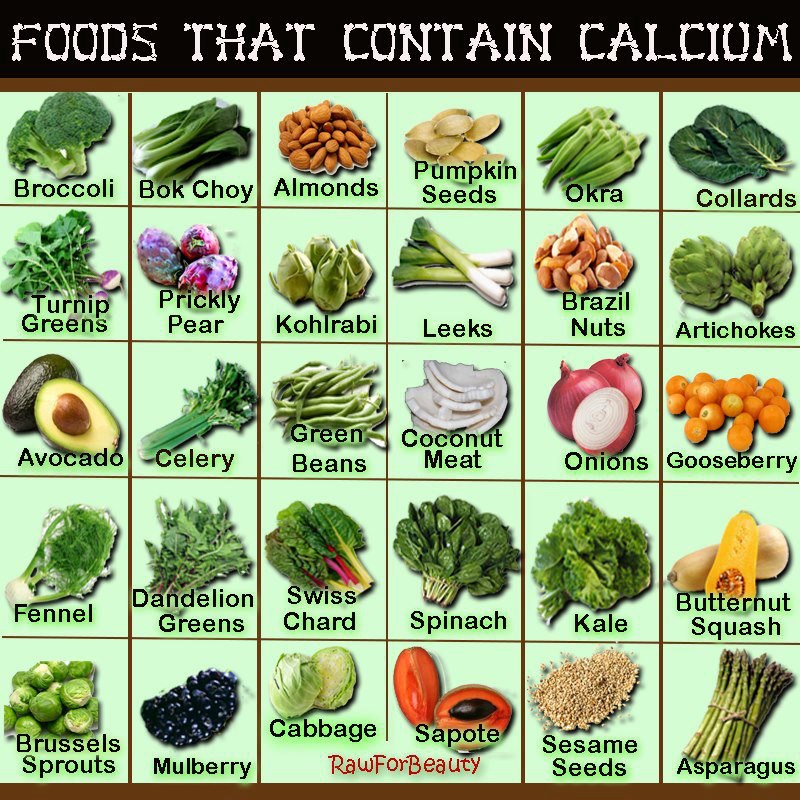
Calcium Food

Calcium is an essential nutrient for humans. It is deposited in our teeth and bones and is needed to keep them strong. Calcium also supports nerve and muscular function and helps with blood clotting. The body cannot survive without calcium so when dietary calcium is too low, the body will leach calcium from the bones to function properly. In turn, this leaves the bones brittle and at risk for fractures or osteoporosis.

Dietary Needs

  • It is recommended that children ages 4 to 8 consume 800 mg of dietary calcium each day and children 9 to 18 consume 1,300 mg per day. Adults ages 19 through 50 should consume 1,000 mg of dietary calcium each day and adults over 51 should consume 1,200 mg per day. Some studies suggest that senior adults with a higher dietary intake of calcium are less at risk for bone fractures and osteoporosis.
    Daily calcium needs may also be affected by excessive consumption of dietary protein. Some studies suggest that diets high in protein, particularly animal proteins, can cause a depletion of calcium in the body. When excess dietary protein is consumed, calcium is leached from the bones and excreted in urine. This loss may leave the bones more brittle and increase the risk of bone fractures. Studies have also suggested that a lack of physical activity or excessive consumption of dairy, sodium, caffeine or alcohol can also deplete calcium stores in the body.


Leafy Greens and Vegetables

  • Spinach, turnip greens, mustard greens and collard greens are excellent sources of calcium. Based on nutrition density, a ratio between the amount of calcium in food in comparison to the amount of calories, these greens are the best sources of calcium and rank higher than dairy. In fact, 3/4 cup of collard greens contains more calcium than 1 cup of cow's milk.
    Other greens that are a great source of calcium include Swiss chard, romaine lettuce, kale and cabbage. Vegetables, such as bok choy, celery, broccoli, summer squash, green beans, Brussels sprouts, okra, kelp (sea vegetable) and asparagus are also good plant sources for dietary calcium.

Other Sources

  • Sesame seeds, fennel seeds, blackstrap molasses, corn tortillas, almonds, brown sugar, quinoa, oranges and orange juice are also excellent sources of dietary calcium. Surprisingly, many herbs and spices also contain calcium such as basil, dill, thyme, oregano, cinnamon, rosemary, cloves and garlic. In fact, basil, dill, thyme, oregano, cinnamon, rosemary and blackstrap molasses have a better nutritional density for calcium than all dairy products.


Source: E-How Non-Dairy Source of Calcium

Tuesday, October 16, 2012

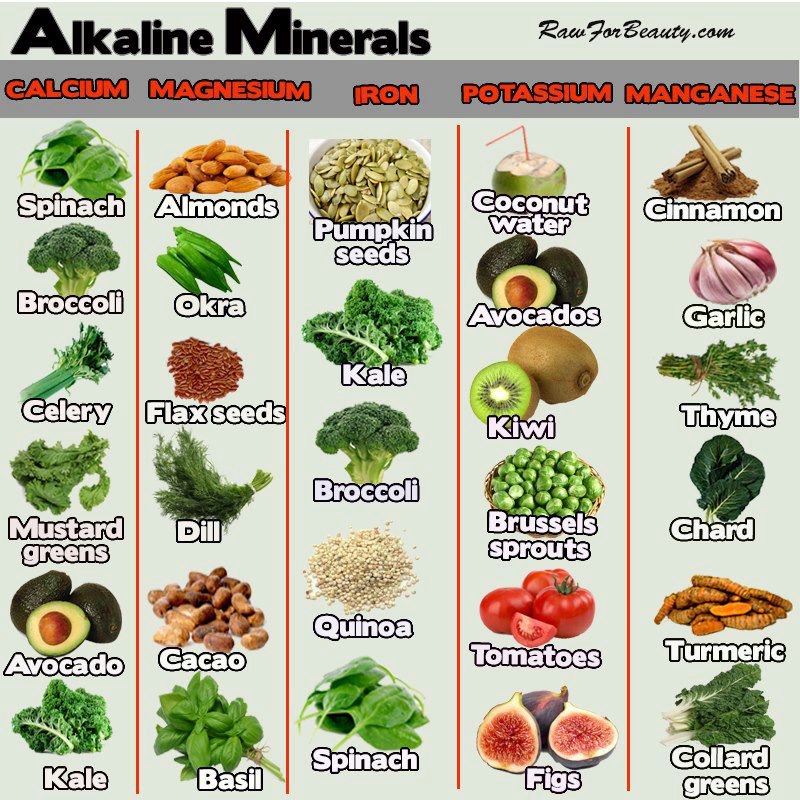
FOODS -Alkaline Mineral


Photo: RawForBeauty.com

I heard pH this and pH that for a long time before I REALLY understood how important the pH is. I learned through caring for my plants. It took much longer for me to realize how and why pH is so vital for whole body health. The human body was Created perfectly.  One made of dust. (dust=dirt=minerals)  We are so grateful that someone shared this information with us. We want to "Pay it Forward". ~ Vickie Barker - AnnyBelle Foundation 
 
pH-inding the Right Balance
 
At the first mention of acidity and alkalinity, eyes glaze over. After all, these terms sound somewhat scientific, and vague memories of junior high science class and litmus paper changing color may come to mind. However, the balance between acidity and alkalinity, and its importance, can be explained quite simply and should be explained. This balance is essential to good health.

The Basics

Every solution is either acidic or alkaline. (Alkaline is often called "base.") These solutions can be anything from body fluids, such as stomach acid and blood, to beverages, such as wine or coffee, to sea water. Acidity and alkalinity are measured in pH (potential of hydrogen). The pH scale goes from 0 to 14, with 0 the most acidic, and 14 the most alkaline. The pH of stomach acid is 1, wine is 3.5, water is 7 (neutral), venous blood is 7.35, arterial blood is 7.4, sea water is 8.5, and baking soda is 12. Ideally, our pH should stay on the alkaline side: between 7.35 and 7.45.

Keeping our acidity and alkalinity balanced means regulating the hydrogen ion concentration in our body fluids. An acid is a molecule or ion (an ion is an atom that carries a positive or negative electric charge) that can contribute a hydrogen ion to a solution. An alkalizing substance is one that contains a molecule or ion that combines with hydrogen ions to remove them from a solution_it neutralizes acids and acts as a buffer.

The Misconceptions

Foods are classified as acid-forming or alkalizing depending on the effect they have on the body. An acid-forming food contributes hydrogen ions to the body, making it more acidic. An alkalizing food removes hydrogen ions from the body, making it more alkaline. It is important to note that this classification is based on the effect foods have on the body after digestion, not on their own intrinsic acidity or alkalinity (or how they taste to us). A common misconception is that if a food tastes acidic, it has an acid-forming effect on the body. This is not necessarily true. Very often, an acidic-tasting food is alkalizing. Citric fruits are a good example. People say that lemons, for example, are "too acidic"; however, they are actually alkalizing because the minerals they leave behind after digestion help remove hydrogen ions, decreasing the acidity of the body. (Many people use the term "residue" or "ash" to explain the effect of a food on the body. A food with an acid ash after digestion contributes hydrogen ions, making the body more acidic; a food with an alkaline ash after digestion removes hydrogen ions, making the body more alkaline.)

Another misconception is that acid-forming foods are "bad." This is not correct; acidity and alkalinity are opposites and one is not intrinsically better than the other. This misconception has developed because the North American diet is excessively acidic, which does result in health problems.
Common acid-forming foods include processed junk foods and those that are high in animal protein. Some common alkalizing foods are spinach, soybeans, raisins, carrots, and most citrus fruits.

The Problem

Looking at this short list of acid-forming and alkalizing foods, you can see where the problem lies. North Americans eat considerably more acid-forming foods than alkalizing foods. Unfortunately, too much acid can cause health problems. According to well-known naturopath Paavo Airola in his book "How to Get Well", Acidosis, or over-acidity in the body tissues, is one of the basic causes of diseases, especially the arthritic and rheumatic diseases."

Others concur with Airola. Speaking of the acidity of a high-fat, high-sugar diet, Michael Colgan, in The New Nutrition, says, "Acidosis destroys bones, because the body has to steal alkalizing minerals from them, to keep the blood pH from dropping into the acid range _ " Dr. Mary Ruth Swope, in Green Leaves of Barley, comments, "We have become too full of acid and, as a result, are experiencing a wide range of diseases that flourish in the acid medium." Dr. Yoshihide Hagiwara, in Green Barley Essence, mentions that, "Should this balance [acid and alkaline] be upset, the cell metabolism suffers, leading to conditions such as fatigue."

Common symptoms of an unbalanced pH include heartburn (a burning sensation in the stomach and acid-tasting burps), bloating, belching, and feeling full after eating small amounts of food. Other symptoms could include insomnia, water retention, migraines, constipation with diarrhea, fatigue, a burning sensation on the tongue and in the mouth, and halitosis.

The Solution

Eat a diet that helps your body maintain the correct acidity-alkalinity balance. According to Airola, the ideal diet should have a natural ratio of four parts alkaline to one part acid. Others contend that while this a good ratio for active people (exercise creates a lot of acid), less active people can handle a diet with a ratio of two parts alkaline to one part acid.

Further Reading

Colbin, Annemarie. 1986. Food and Healing. New York: Ballantine (Pp. 73-80).
Hagiwara, Yoshihide, M.D. 1985. Green Barley Essence. New Canaan, CT: Keats Publishing, Inc. (Pp. 50-58).

Murray, Frank. "Unless you Balance Acidity, your muscles may become tense." Better Nutrition, March 1996.

Swope, Mary Ruth. 1990. Green Leaves of Barley Phoenix, AZ: Swope Enterprises, Inc. (Pp. 99-109).

The article "pHinding the Right Balance" is reproduced with the permission of AIM International.
©1997 by AIM International
http://www.aim4health.com/phind.htm

Source: AdvancedHealthPlan.com